
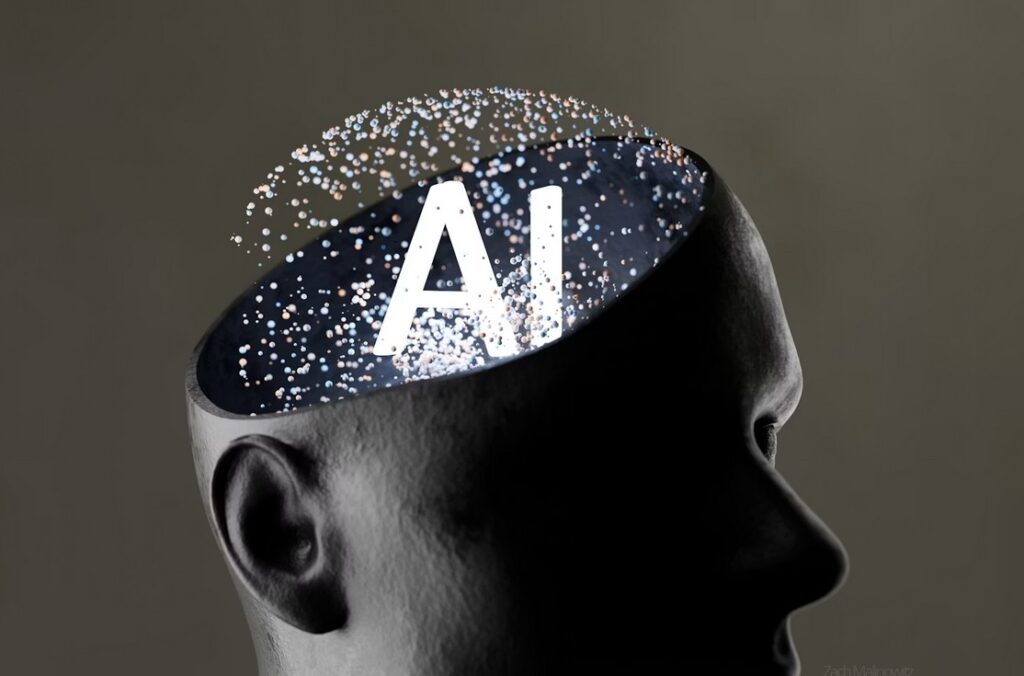
Recruitment teams have spent years using AI to automate repetitive tasks, but the technology is now taking on a more strategic role. Rather than simply filtering CVs, modern AI models are increasingly capable of evaluating competencies, identifying transferable skills and ranking candidates with remarkable consistency.
Recent research indicates that AI can outperform human recruiters in certain screening tasks, particularly when large numbers of applications need to be reviewed objectively and efficiently.
“AI should not replace recruiters. It should remove repetitive work so recruiters can focus on conversations, judgement and candidate relationships.”
Consistency over intuition
Human decision-making is naturally influenced by context. Fatigue, workload, unconscious bias and previous candidate interactions can all affect hiring decisions.
AI evaluates every application using the same predefined criteria, making the screening process significantly more consistent. This is particularly valuable during high-volume recruitment where recruiters may need to review hundreds or thousands of applications.
Consistency does not automatically guarantee better hiring decisions, but it does create a more objective starting point.
Reducing bias in early-stage recruitment
One of AI’s biggest promises is reducing unconscious bias during candidate screening. Properly designed AI systems focus on qualifications, experience and measurable competencies instead of demographic characteristics.
However, this only works when the underlying training data is representative and continuously monitored. Poorly designed algorithms can still reinforce historical biases rather than eliminate them.
Responsible governance therefore remains essential when organisations introduce AI into recruitment processes.
Speed creates better candidate experiences
AI also significantly reduces time-to-screen. Candidates receive feedback faster, vacancies remain open for shorter periods and recruiters spend less time on administrative tasks.
This speed benefits both employers and applicants. Recruiters can dedicate more attention to shortlisted candidates, while job seekers experience a more responsive recruitment process.
In competitive labour markets, reducing hiring delays can become a significant competitive advantage.
Human judgement remains essential
Although AI performs exceptionally well in structured assessments, recruitment remains fundamentally about people.
Motivation, cultural fit, communication style, leadership potential and team dynamics are all areas where experienced recruiters continue to add significant value.
Rather than replacing recruiters, AI increasingly acts as a decision-support system that helps professionals focus their expertise where it matters most.
The future of recruitment is unlikely to be AI versus recruiters. It will be recruiters who effectively use AI outperforming those who do not.
Transparency builds trust
As AI becomes more involved in hiring decisions, transparency becomes increasingly important. Candidates should understand when AI is used, what information is evaluated and how decisions are made.
Clear communication helps organisations build trust while complying with emerging AI regulations and ethical recruitment standards.
Transparency also allows recruiters to explain decisions more effectively and maintain confidence in the hiring process.
The future is collaborative recruitment
The evidence increasingly suggests that AI excels at structured, data-driven screening tasks, while humans remain strongest in relationship building, contextual judgement and final decision-making.
Organisations that combine both strengths are likely to achieve faster hiring, better candidate experiences and more consistent recruitment outcomes.
Rather than asking whether AI is better than recruiters, the more relevant question is how organisations can design recruitment processes where both human expertise and artificial intelligence complement each other.